Skip to content
Salesforce

Salesforce consulting & implementation

Sales Cloud, Service Cloud and Experience Cloud implementation, integration and managed support — with the data model and migration handled as first-class engineering work.

  • Sales Cloud
  • Service Cloud
  • Experience Cloud
  • Flow
  • Apex & LWC
  • CPQ
  • Platform Events
  • Reports & Dashboards
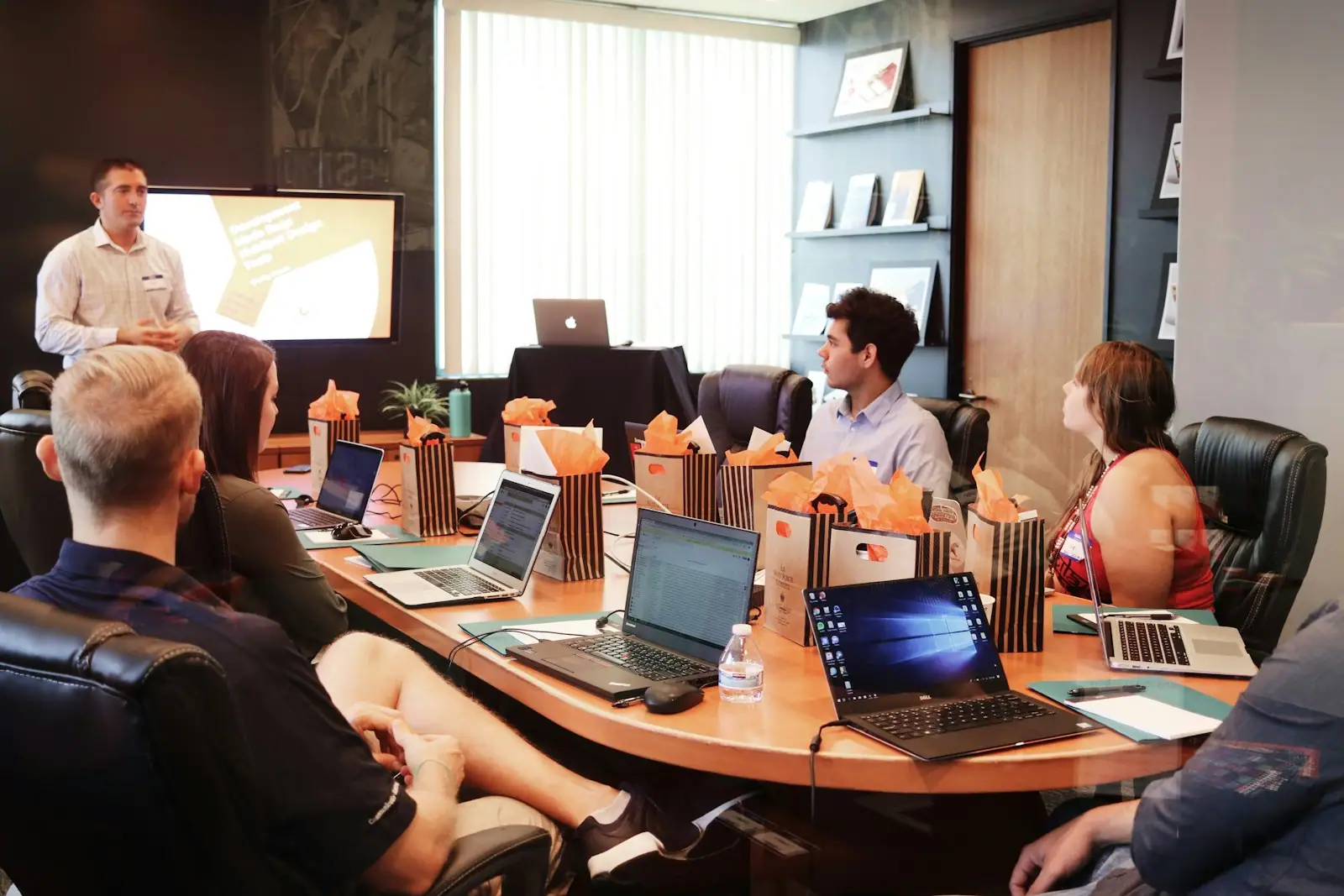
Sales operations team reviewing CRM pipeline dashboards

Salesforce implementations rarely fail on features. They fail on the object model — a design that made sense for the pilot team and then could not represent how the business actually sells, so people started keeping the real pipeline in a spreadsheet.

We spend disproportionate effort on data model and migration, because those are the two things that are painful to change afterwards. Declarative configuration wherever it holds, Apex where it genuinely does not, and a migration that reconciles rather than hopes.

How we approach Salesforce

  • Data model designed for where the business is going, not just for the pilot team.
  • Migration run as an engineering workstream with reconciliation, not a weekend data load.
  • Declarative-first — Apex only where configuration genuinely cannot meet the requirement.
  • Release readiness handled proactively across all three Salesforce seasonal updates.
  • Implementation and managed support from one team, with no handover gap.
Capabilities

What we deliver on Salesforce

Sales Cloud

Pipeline, forecasting and sales process, configured to the way your team actually sells rather than to a generic funnel.

  • Lead, opportunity and account model design
  • Sales process stages with exit criteria that mean something
  • Forecasting, territory and quota management
  • CPQ and quoting workflows
  • Activity capture and pipeline hygiene automation

Service Cloud

Case management and support operations with routing that gets the case to the right person the first time.

  • Case management, queues and assignment rules
  • Omni-Channel routing and capacity-based assignment
  • Knowledge base and case deflection
  • Entitlements, milestones and SLA tracking
  • CTI and telephony integration

Experience Cloud

Customer and partner portals built on the same data, so nobody maintains a second version of the truth.

  • Customer self-service portals
  • Partner relationship management communities
  • Branded experiences with sharing and visibility rules
  • Self-registration, SSO and identity management
  • Mobile-responsive portal design

Data Migration & Quality

The workstream most implementations underestimate, run with reconciliation and dry runs.

  • Source data profiling and quality assessment
  • Object model and field mapping design
  • Deduplication and merge strategy
  • Repeated migration dry runs with reconciliation reports
  • Ongoing data quality rules and duplicate prevention

Integration

Connecting Salesforce to the systems that hold the rest of the customer picture.

  • ERP and finance system integration
  • Billing, subscription and payment platforms
  • Marketing automation and campaign attribution
  • Middleware orchestration with MuleSoft or Boomi
  • Event-driven integration with Platform Events

Development & Managed Support

Custom development where configuration runs out, plus ongoing support across Salesforce's three annual releases.

  • Apex, Lightning Web Components and Flow development
  • AppExchange package evaluation and implementation
  • Release readiness testing against seasonal updates
  • Admin support, enhancement delivery and user training
  • Org health assessment and technical debt reduction
Modules

Coverage across the platform

Sales Cloud

Pipeline, forecasting, territory management

Service Cloud

Case management and Omni-Channel routing

Experience Cloud

Customer and partner portals

Flow

Declarative automation and orchestration

Apex & LWC

Custom code where configuration cannot reach

CPQ

Configure, price and quote workflows

Platform Events

Event-driven system integration

Reports & Dashboards

Operational and executive reporting

FAQ

Questions we get asked

Our Salesforce org has years of accumulated customisation. Where do you start?

With an org health assessment — unused fields and objects, overlapping automation, Apex with no test coverage, permission sprawl, and technical debt ranked by the risk it actually poses. That produces a remediation plan you can sequence, rather than an argument for a rebuild you probably do not need.

Can you migrate us from another CRM?

Yes. Migration starts with profiling the source data honestly, because the answer to 'how clean is it' is almost never 'clean'. We map objects and fields, agree a deduplication strategy, then run repeated dry runs with reconciliation reports until the variance is inside an agreed tolerance.

Do you work with Salesforce AppExchange products?

We evaluate, implement and support AppExchange packages. Part of the evaluation is whether you need one at all — a managed package carries licence cost, upgrade dependency and support surface that sometimes outweighs the configuration it saves.

How do you handle the three Salesforce releases each year?

Release readiness is part of managed support: reviewing release notes against your configuration, testing in a sandbox on the preview instance, and flagging anything that affects your automations or integrations before it reaches production.

Let's talk about what you're trying to build.

A short conversation is usually enough to tell whether we're the right fit. If we're not, we'll say so and point you somewhere better.

Or email us directly at reachus@segakiv.com