Field connectivity constraints
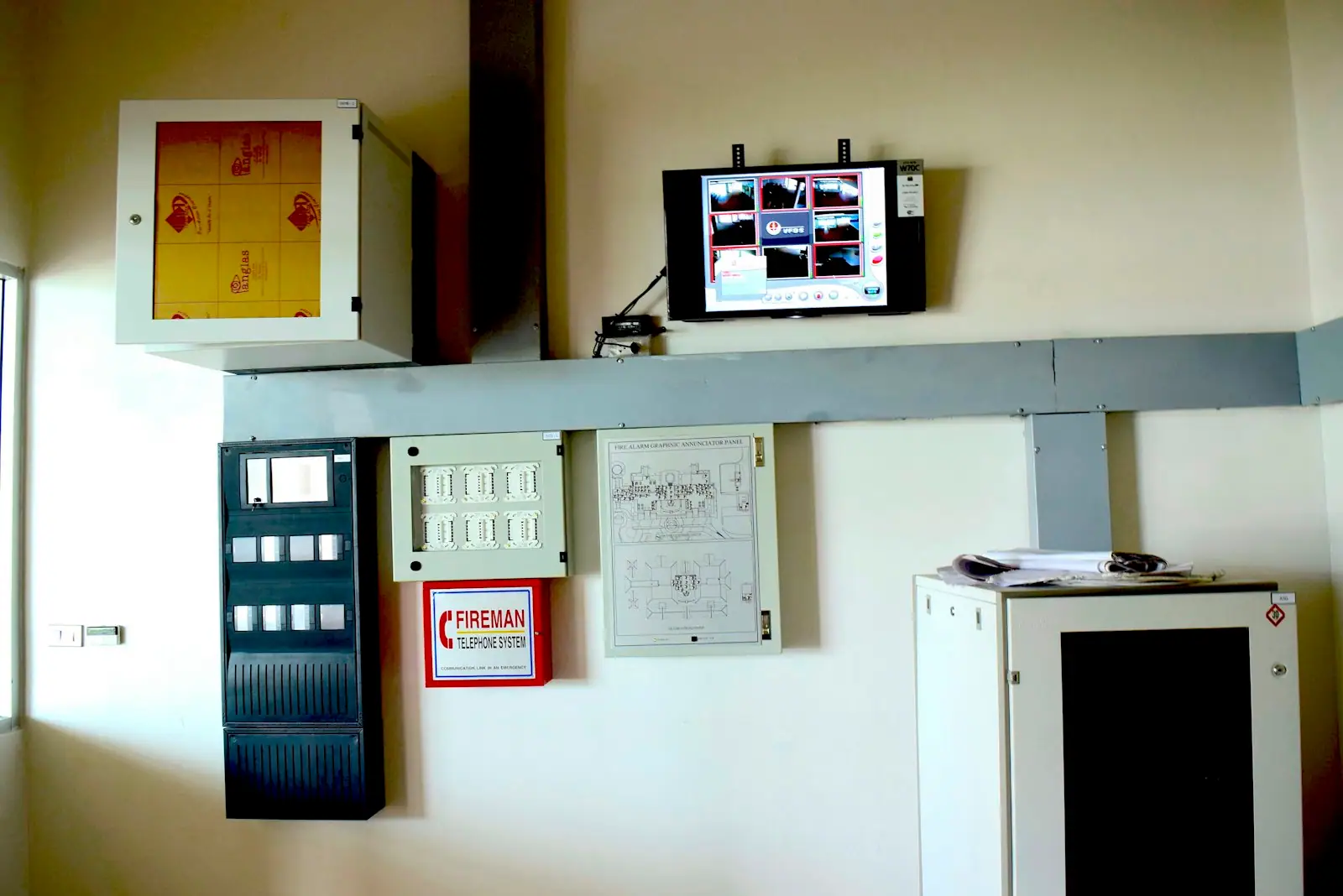
Sites with intermittent or no connectivity, where any application that assumes a network simply does not get used.
Maintenance workflow, operational data and field application work for energy operations where assets are remote, downtime is costly and safety documentation is not optional.
Energy operations run on assets that are expensive, distributed and sometimes hard to reach. The technology problems follow from that: maintenance work managed in systems that field teams cannot reach from site, operational data trapped in historians that reporting cannot reach, and safety documentation that lives in a binder.
The useful work is usually connective — getting maintenance workflow onto devices that work offline, integrating operational technology data with business systems without compromising the OT boundary, and making inspection and compliance evidence a by-product of doing the job.
These are the patterns that come up repeatedly. Not all of them apply to you — but if two or three do, the conversation is usually worth having.
Sites with intermittent or no connectivity, where any application that assumes a network simply does not get used.
Operational data in historians and control systems that business reporting needs, without weakening the security boundary that keeps control systems safe.
Maintenance driven by failure and fixed schedules rather than by condition, because the data to do better exists but is not assembled.
Safety and regulatory documentation captured on paper or in photos on a phone, then re-entered later, if at all.
Permits, certifications and work authorisation tracked across systems that do not talk to each other.
Each of these maps to one or more of our service lines.
Mobile applications that hold full function without connectivity and sync deterministically when a connection returns, with conflict handling designed rather than hoped for.
Services involved
Work order, permit and inspection workflow with structured evidence capture, so compliance documentation is produced as work happens.
Services involved
Historian and sensor data brought into the analytics platform across a governed boundary, preserving OT segregation.
Services involved
Anomaly detection and failure prediction on equipment telemetry, surfaced into the maintenance workflow rather than into a separate dashboard.
Services involved
Managed application services with extended-hours cover appropriate to operations that do not stop at five.
Services involved
Raised at the start of an engagement rather than discovered during an audit.
Industrial control system security boundaries
Inspection and integrity management documentation
Incident and safety evidence capture
Emissions and discharge data assembly
Yes, and it is a design decision that has to be made at the start. Offline-first means local storage, deterministic sync, explicit conflict resolution and a UI that tells the user what state their data is in. Retrofitting it onto an online-first app is close to a rewrite.
Conservatively. Data moves outward across a controlled boundary — typically a one-way or brokered path into the IT environment — and we do not put write paths into control systems as part of analytics work. Any integration design goes through your OT security team before build.
A short conversation is usually enough to tell whether we're the right fit. If we're not, we'll say so and point you somewhere better.
Or email us directly at reachus@segakiv.com