Skip to content
AWS · Azure · Google Cloud

Cloud migration & data platform services

Cloud migration and landing zones on AWS, Azure and Google Cloud, plus the data platform work — warehouses, pipelines and governed reporting — that makes the numbers trustworthy.

  • AWS
  • Microsoft Azure
  • Google Cloud
  • Snowflake
  • Databricks
  • Terraform
  • dbt
  • Power BI / Tableau
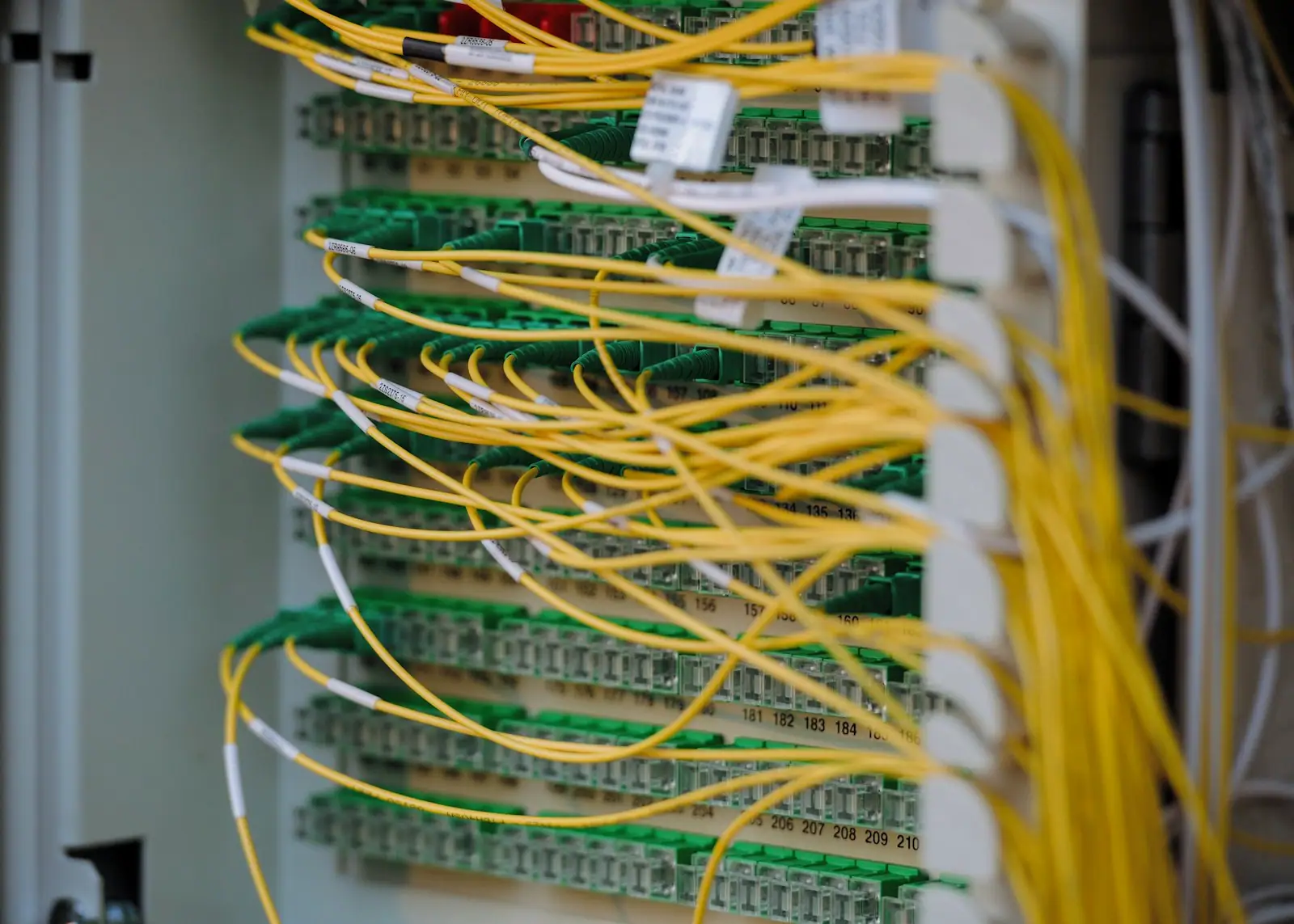
Data centre server aisle with network infrastructure

Cloud migrations go wrong in two predictable ways. Workloads get lifted before there is a landing zone, so identity, network and cost governance are retrofitted under pressure. Or everything gets refactored at once, and the programme runs out of patience before it runs out of scope.

The same pattern applies to data. A warehouse without a semantic layer produces four versions of revenue and a standing argument about which is right. We build the foundations — governance, structure, definitions — before the migration wave or the first dashboard.

How we approach Cloud & Data

  • Landing zone before migration wave — identity, network and cost governance are not retrofits.
  • Migration sequenced so the team builds competence on low-risk workloads first.
  • Semantic layer and metric definitions treated as deliverables, not documentation debt.
  • FinOps guardrails from day one rather than after the first surprising invoice.
  • Everything defined as infrastructure as code, so your team can take it over cleanly.
Capabilities

What we deliver on Cloud & Data

Cloud Migration

Portfolio assessment through wave execution, sequenced so that the risky migrations happen when the team has practice.

  • Application portfolio assessment and disposition (6Rs)
  • Migration wave planning and dependency sequencing
  • Rehost, replatform and refactor execution
  • Database migration with minimal-downtime cutover
  • Post-migration validation and optimisation

Landing Zones & Governance

The account structure, network topology and identity model everything else inherits — built once, properly.

  • Multi-account and subscription structure design
  • Network topology, connectivity and segmentation
  • Identity, access management and least privilege
  • Policy guardrails and preventive controls
  • Infrastructure as code with Terraform

Platform Engineering & DevOps

Making the path to production fast enough that engineers stop working around it.

  • CI/CD pipeline design and implementation
  • Kubernetes and container platform operations
  • GitOps deployment workflows
  • Secrets management and supply chain security
  • Developer self-service platform capability

Data Engineering

Pipelines built to be observable and recoverable, because the failure mode that matters is silent bad data.

  • Data warehouse and lakehouse architecture
  • ETL/ELT pipeline development and orchestration
  • Change data capture and streaming ingestion
  • Data quality testing and lineage tracking
  • Cost-aware storage and compute design

Analytics & Business Intelligence

Reporting built on governed definitions, so two dashboards showing the same metric agree.

  • Semantic layer and governed metric definitions
  • Executive and operational dashboard design
  • Self-service analytics enablement
  • Embedded analytics inside operational applications
  • Reporting migration from legacy BI tools

FinOps & Cost Governance

Cloud spend made visible and attributable, before the finance team asks a question nobody can answer.

  • Tagging strategy and cost allocation model
  • Rightsizing and commitment planning
  • Anomaly detection and budget alerting
  • Showback and chargeback reporting
  • Architecture review for cost efficiency
Modules

Coverage across the platform

AWS

EC2, ECS/EKS, Lambda, RDS, S3, Control Tower

Microsoft Azure

AKS, App Service, Functions, Synapse, Entra ID

Google Cloud

GKE, Cloud Run, BigQuery, Dataflow

Snowflake

Cloud data warehouse and data sharing

Databricks

Lakehouse, Delta Lake and ML workloads

Terraform

Infrastructure as code across all clouds

dbt

Transformation, testing and documentation

Power BI / Tableau

Enterprise business intelligence

FAQ

Questions we get asked

Should we lift and shift, or refactor?

Usually both, in sequence. Refactoring everything up front stalls programmes; lifting everything leaves you paying cloud prices for datacentre architecture. Portfolio assessment gives each application a disposition, and we typically migrate first, then modernise the workloads where the return justifies it.

How do you stop cloud costs running away?

Tagging and cost allocation from the first account, budget alerts with real owners, rightsizing reviews on a cadence, and commitment planning once usage patterns are established. The expensive version is discovering the problem three quarters in, when the architecture is already committed.

Can you work with our existing cloud team?

Yes, and it is often the better arrangement. We can lead the programme, augment your team with specific skills, or act as an architecture review function. Whichever it is, everything is infrastructure as code, so nothing is trapped in someone's console session.

Why does the semantic layer matter so much?

Because without one, every report defines its own version of a metric, and within a year nobody trusts any of them. Governed definitions in a semantic layer mean revenue is revenue regardless of which dashboard you open, which is the difference between reporting and arguing.

Let's talk about what you're trying to build.

A short conversation is usually enough to tell whether we're the right fit. If we're not, we'll say so and point you somewhere better.

Or email us directly at reachus@segakiv.com